
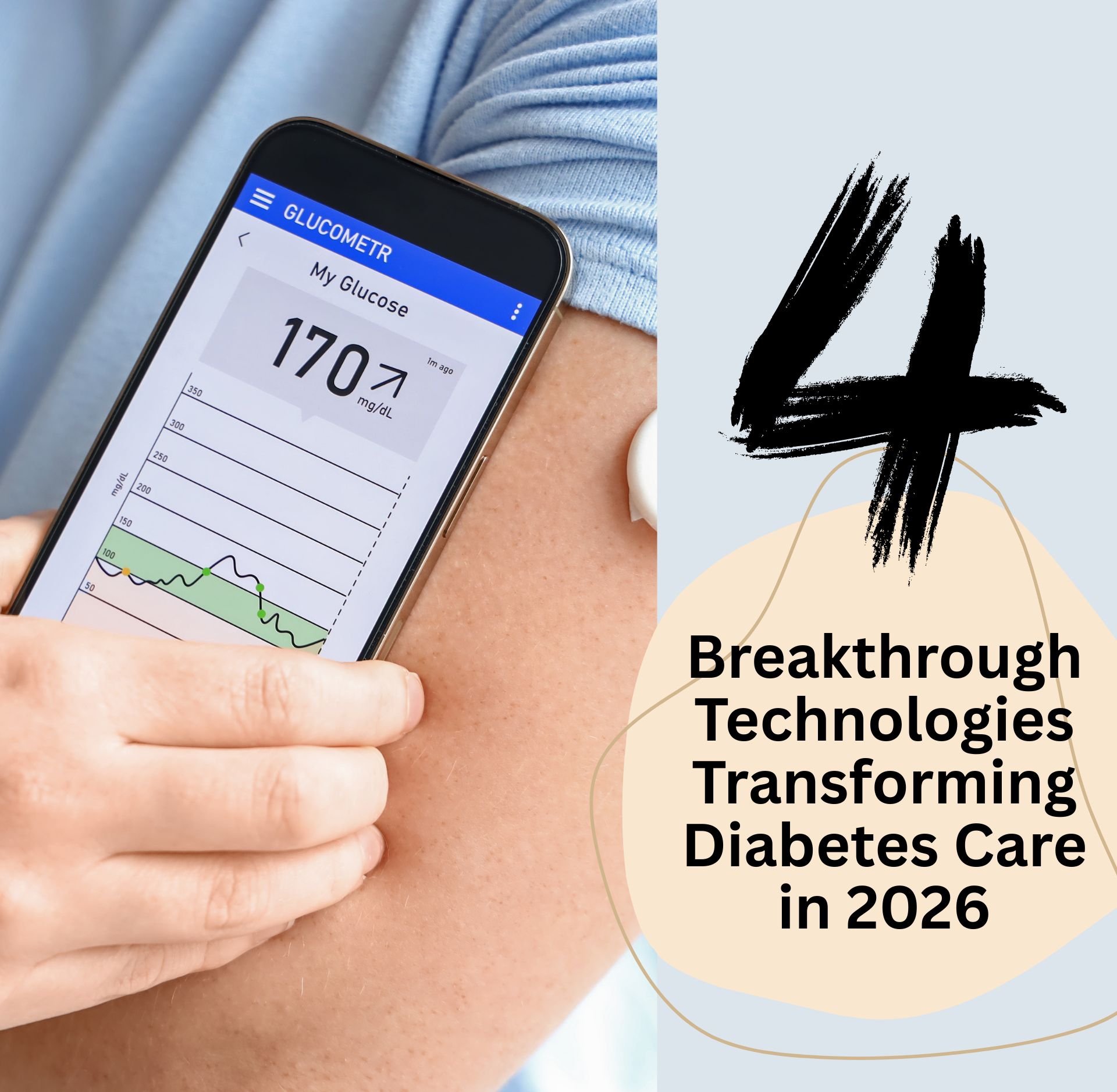
The landscape of diabetes care is changing fast as innovations keep happening. This is true in the field of tech-driven diabetes care. Artificial intelligence, wearable sensors and automated closed-loop systems are quickly taking over what was once a world of finger pricks, manual insulin injections and guesswork. These are big changes that are altering what it means to have diabetes; they are not small, incremental gains. Technology is finally catching up to the intricacy of Diabetes. This is indeed an important development this year.
1. Automated Insulin Delivery Systems
Automated Insulin Delivery (AID) systems are now advised for both type 1 and type 2 diabetes patients who are not achieving their goals with basal insulin. This growth shows a growing understanding that advances in technology are not viewed as luxury any more. In other words, the standard of care is getting improved as technology advances.
Patients now have more options than ever. The integration of AID systems with various CGM platforms has taken diabetes management to another level. Clinicians can now match pumps and sensors to specific patient preferences. They are not restricted to single-brand pairings any more.
2. Extended-Wear Sensors
Extended-wear sensors are flexible, lightweight electronic monitoring devices that can be affixed to skin to collect data continuously over an extended period of time without irritating the skin or obstructing airflow. The new innovation is the 15-day sensor. Several Indian companies are able to provide longer wear times due to better algorithms.
- Reduction in the burden of frequent sensor changes.
- Improved algorithms offer greater accuracy and reliability.
3. Implantable CGM with AID Integration
The first AID system now includes an implantable Continuous Glucose Monitor (CGM) that lasts for a full year. The advantages of Automated Insulin Delivery (AID) are now available to patients who would rather have an implanted sensor than wearing patches. In order to provide patients with the best options available, experts anticipate that this connection will spread to even more systems. Currently this integrated system is not available in India and it is expected to soon hit the Indian markets.
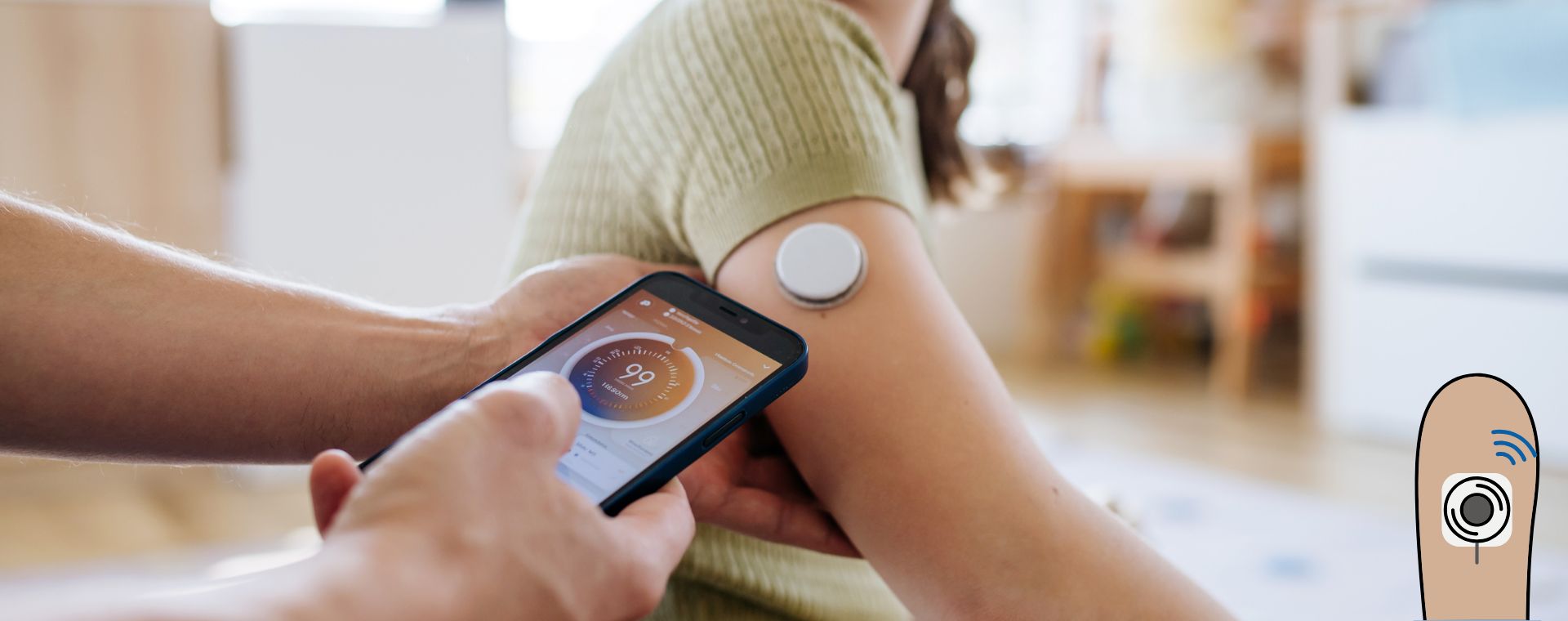
4. The First Continuous Dual Glucose-Ketone Monitor
The most important breakthrough of 2026 is the FDA authorization of a wearable device that continuously monitors both glucose and ketone levels simultaneously. Up until recently, individual, single-point measurements were needed for ketone testing, which was unable to detect rising or dropping trends. This new gadget sends an alarm when the ketone levels cross a threshold danger level. It gives real-time data.
- This gadget is a game-changer for preventing diabetic ketoacidosis (DKA).
- It is particularly important for type 1 diabetes patients and those taking SGLT2 inhibitors who face euglycemic DKA risk.
- The device can mean the difference between early intervention and a life-threatening emergency.
This important innovation that benefits Type 1 Diabetes patients is slated to hit the Indian market soon.
2026 is indeed an important year with many milestones in the field of diabetes care. The profession is transitioning from reactive management to proactive, individualized and predictive treatment. All these are enabled by such ground-breaking innovations. The future of diabetes care is here. It is more empowering than ever.
