


Discover our Diabetes Complications Prevention – Early Detection, Screening and Referral with 25+ Years of Expertise.

Dr. Ashalata provides skilled, caring care to prevent problems. Each screening plan guarantees individualized monitoring with a focus on your long-term health, prompt referral, and early detection.

A Simple Overview

What Are Diabetes Complications?

Health issues brought on by persistently elevated blood sugar are known as diabetes complications. Over time, too much glucose destroys your body’s blood vessels and nerves. Your feet, kidneys, eyes, heart, and nerves may all be impacted by this. Diabetic foot ulcers, kidney illness (nephropathy), nerve damage (neuropathy), eye damage (retinopathy), and hypoglycemia (dangerously low blood sugar) are common consequences. The good news? With early detection and effective blood sugar management, the majority of problems can be avoided. Dr. Ashalata routinely checks for these issues to identify issues before they worsen. When necessary, she also directs you to the appropriate professional. Today is the first day of prevention.

Dr. Ashalata’s Role – Prevention, Screening, Referral

Diabetic Neuropathy, retinopathy, kidney failure, and foot ulcers are among the consequences that Dr. Ashalata does not treat. Surgeons, nephrologists, and eye experts play that duty. Her responsibilities include early discovery through routine screening, prevention through optimal blood sugar control, and prompt referral to reputable Chennai specialists as necessary. After that, she manages all aspects of your diabetes care both during and following specialized care. This method protects you.

Know More On

Some of the Complications of Diabetes

Diabetic Foot Care

Every time you see Dr. Ashalata, your feet are examined. She uses a monofilament to examine for wounds, blisters, redness, swelling, and loss of feeling. Infections and ulcers are avoided with early identification. She quickly recommends you to a podiatrist or vascular surgeon in Chennai for expert care if issues occur.

Diabetic Kidney Care

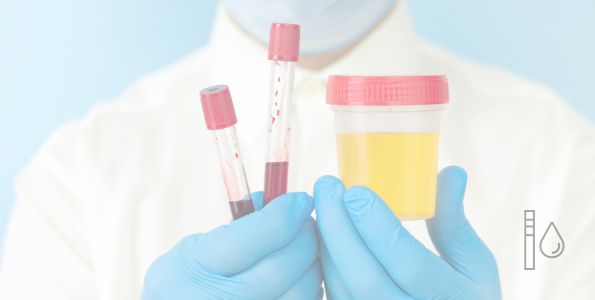
Every year, Dr. Ashalata does a blood test for creatinine (eGFR) and a urine albumin test to check for kidney deterioration (Diabetic Nephropathy). Early discovery makes it possible to take action before serious harm is done. She continues to control your blood pressure and blood sugar while referring you to a nephrologist in Chennai if renal disease is found. Kidneys are saved by prevention.

Diabetic Retinopathy

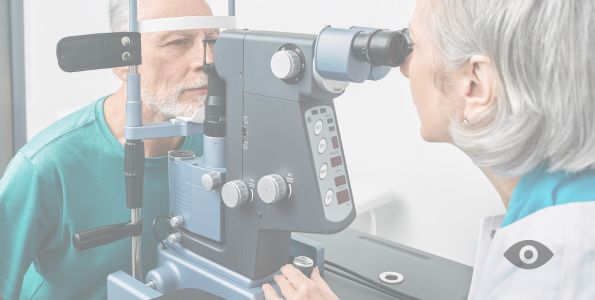
Little blood vessels in your retina are harmed by high blood sugar, which frequently shows no signs until vision loss develops. Every year, Dr. Ashalata requires an ophthalmologist to perform a dilated eye exam. Blindness is avoided by early detection. She optimizes your blood sugar control and promptly recommends you to a retina specialist in Chennai if retinopathy is discovered.

Diabetic Neuropathy

Dr. Ashalata tests your feet’s sensitivity, reflexes, and vibration perception to check for nerve damage. Tingling, numbness, burning, or discomfort are early indicators. If found, she maximizes blood sugar regulation and, if necessary, recommends you to a neurologist for further care. Serious issues like foot ulcers can be avoided with early detection.

Low Blood Sugar

Hypoglycemia

When blood sugar falls below 70 mg/dL, hypoglycemia ensues. Sweating, trembling, disorientation, lightheadedness, and, in extreme cases, coma are all possible side effects. Patients using sulfonylurea or insulin are most likely to experience it.

Prevention: Dr. Ashalata advises against skipping meals, adjusting insulin prior to exercise, and routinely checking blood sugar levels, particularly before sleeping or driving.

Management: Adhere to the 15-15 rule if you experience symptoms. Consume 15 grams of fast-acting sugar, such as ordinary soda, fruit juice, or glucose tablets. Check your blood sugar again after 15 minutes. If it's still low, repeat. Emergency glucagon is required if unconscious. For you and your family, Dr. Ashalata creates a customized hypoglycemic action plan.

The Single Best Prevention

Optimal Blood Sugar Control (Dr. Ashalata's Specialty)

Optimal blood sugar control is the most effective method of preventing all problems associated with diabetes. Your blood vessels and nerves stay healthy when your blood sugar stays within the target range, which dramatically lowers your risk of kidney disease, foot ulcers, nerve damage, and eye issues. Achieving and sustaining this control is the exclusive focus of Dr. Ashalata’s primary job. To maintain stable blood sugar levels, she employs individualized diet regimens, lifestyle counseling, suitable medications, and routine HbA1c and CGM monitoring. The power of effective blood sugar control cannot be replaced by any specialized treatment. Dr. Ashalata’s everyday treatment is where prevention really starts.

Red Flags – When to See Dr. Ashalata Immediately

If you have chronic blood sugar levels above 300 mg/dL or below 70 mg/dL, frequent vomiting, confusion, breathing difficulties, foul-smelling breath, abrupt changes in eyesight, severe foot pain or redness, non-healing wounds, or evidence of infection, get in touch with Dr. Ashalata very away. Emergencies are avoided by early action. Don’t wait for your appointment. Make a call immediately. The most important thing is your safety.

How Often Should You Get
Complication Screenings
A Simple Schedule

A yearly complication screening regimen is advised by Dr. Ashalata. This comprises a dilated eye exam, blood creatinine (eGFR), urine albumin test, and foot examination. If symptoms arise, nerve function testing should be performed every six to twelve months. Every three to six months, the lipid profile and blood pressure are evaluated. more regular screening in the event that anomalies are discovered. Lives are saved by early detection. Dr. Ashalata keeps tabs on your schedule and reminds you when each test is due. Be punctual. Keep yourself safe.

Early Detection Saves Lives

Book a Complication Screening Appointment

Common questions

Frequently Asked Questions

Get clear answers about diabetes complications prevention, early detection screening, timely referral, and Dr. Ashalata’s proactive approach to protecting your health.

Strict blood sugar control can help with some consequences, such as early nerve damage or minor kidney illness. Although they can't be stopped, advanced problems can be slowed. Dr. Ashalata emphasizes early detection and prevention before irreversible harm is done.

No. Dr. Ashalata's responsibilities include early detection, screening, and prevention. She recommends that you seek therapy from podiatrists, nephrologists, neurologists, or retinal experts. She then works with these experts to organize your entire diabetes care.

Many complications don't show any signs at first. For this reason, routine screening is crucial. Every year, Dr. Ashalata examines the kidneys, feet, nerves, and eyes. Never wait for changes in eyesight or pain. Screening finds issues before you have any symptoms.