
Discover our Lifestyle & Exercise Plans for Diabetes Reversal - Personalized Movement Guidance Delivered with Care, and 25+ Years of Expertise.

Dr. Ashalata provides knowledgeable lifestyle and fitness advice in a kind manner. Your diabetes reversal, remission, and general well-being are given first priority in every exercise plan, which guarantees individualized support.

The Magic of Movement

How Does Exercise Lower Blood Sugar?

By increasing the uptake of glucose into your muscles without the need for insulin, exercise reduces blood sugar. Your muscles contract when you move, employing a different pathway that avoids insulin resistance to draw glucose from your bloodstream for energy. When engaging in physical activity, this effect occurs instantly. Regular exercise also gradually increases your body’s sensitivity to insulin. Blood sugar can be lowered for hours after a single moderate exercise session, such as brisk walking. Strength training increases muscular mass, which stores glucose. Your blood absorbs more sugar when you have more muscle. For this reason, exercise is diabetes medicine.

The 24-48 Hour Insulin Sensitivity Window

Your body is more sensitive to insulin for 24 to 48 hours after a single workout session. Your cells absorb glucose more effectively within this window, which lowers blood sugar levels after meals. This implies that the advantages of a single workout or walk go well beyond the activity itself. This impact is transient, though. Insulin sensitivity returns to baseline after a few days of inactivity. For diabetes to be reversed, frequent, consistent exercise is crucial. To sustain this metabolic edge, Dr. Ashalata advises regular exercise, not only on the weekends. Walking for even thirty minutes a day maintains the insulin sensitivity window open.

The Best Exercises for Diabetes Reversal
Walking, Strength, Yoga, & HIIT

The Best Exercises for Diabetes Reversal
(Walking, Strength, Yoga, HIIT)
The easiest and most efficient way to reduce blood sugar is to walk after meals. Your body’s natural glucose sponge, muscle, is developed through strength training. Yoga lowers blood sugar-raising stress chemicals. Insulin sensitivity is rapidly improved by HIIT (High-Intensity Interval Training). Depending on your preferences, joint health, and degree of exercise, Dr. Ashalata suggests a combination. You don’t have to do everything. Start with what works best for you. Intensity is not as important as consistency.
The Power of Walking

Why Walking After Meals Is the Most Effective Habit

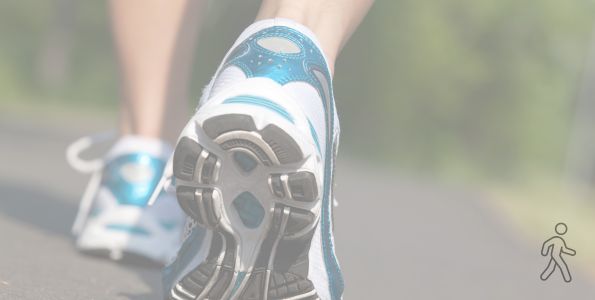
Walking right after a meal prevents blood sugar increases by assisting your muscles in absorbing glucose from the diet. Walking for ten to fifteen minutes can dramatically reduce post-meal hyperglycemia. You don't need any exercise equipment. No particular attire is needed. Regardless of fitness level, everyone can benefit from this habit. For optimal effects, Dr. Ashalata suggests walking after breakfast, lunch, and dinner. It is safe, cost-free, and very successful in reversing diabetes.

Strength Training for Beginners – Why Muscle Is Your Glucose Sponge

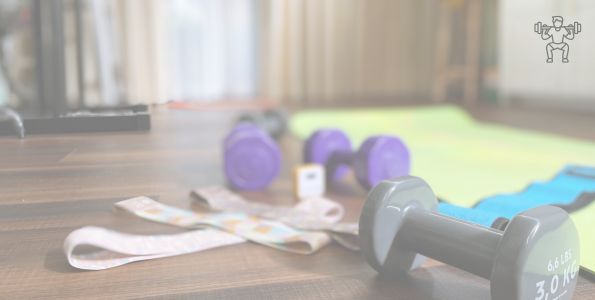
Muscle doesn’t require much insulin to absorb glucose from your blood. Reduced blood sugar is associated with increased muscle. At any age, basic exercises like push-ups, squats, and resistance band training are great ways to gain muscle.

How Much Exercise Do You Need for Remission?

Aim for 150 minutes of moderate activity weekly. Walk 10-15 minutes after each meal. Add two strength training sessions. Include yoga or stretching. Dr. Ashalata personalizes your template further.


Exercise Precautions – Hypoglycemia Risk, Foot Care

Prior to and following physical activity, check blood sugar. Carry fast-acting sugar if you’re taking sulfonylureas or insulin. Put on shoes that are comfortable. Examine your feet every day. If you feel lightheaded or out of breath, stop. Before beginning, speak with Dr. Ashalata.

Starting from Zero

A 4-Week Progression Plan for Sedentary Patients

Start cautiously if you have not been doing anything. This straightforward strategy is advised by Dr. Ashalata.
Week 1: Take a five-minute walk immediately after lunch. Do this every day. No more. First, establish consistency.
Week 2: After lunch, extend to ten minutes. After supper, take a five-minute stroll. Your body is adjusting.
Week 3: Take a ten-minute walk following lunch and dinner. Every morning, spend five minutes gently stretching.
Week 4: Walk for ten to fifteen minutes following each of the three meals in week four. Include two weekly bouts of basic strength training, such as wall push-ups or sit-to-stands.
Pay attention to your body. Never force yourself to endure suffering. Go at your own speed. Depending on your comfort level and blood sugar reaction, Dr. Ashalata modifies the plan.


Sleep, Stress & Smoking
The Hidden Lifestyle Factors That Raise Blood Sugar

Insulin resistance and blood sugar are increased by cortisol, which is elevated by insufficient sleep. Even when you haven’t eaten, prolonged stress causes the release of glucose. Smoking exacerbates insulin sensitivity and destroys blood vessels. Reversing diabetes requires addressing these hidden variables. For comprehensive metabolic care, Dr. Ashalata offers advice on enhancing sleep hygiene, stress-reduction strategies like deep breathing, and assistance quitting smoking.

Are You Consistent?

How Dr. Ashalata Tracks Your Lifestyle Progress & Adjusts Your Plan

During each follow-up, Dr. Ashalata keeps track of your weight, waist circumference, activity logs, and blood sugar levels. If your CGM data is accessible, she examines it. She modifies medicine dosages, diet schedules, and exercise intensity based on your success. No set plan. Every modification is tailored and based on data. You can avoid plateaus and dissatisfaction by staying on course for reversal thanks to this ongoing feedback loop. As you get better, your plan changes.

Take Steps to

Reverse Your Type 2 Diabetes Today

Common questions

Frequently Asked Questions

Get clear answers about personalized exercise plans, lifestyle changes for diabetes reversal, and Dr. Ashalata’s evidence-based approach to movement and daily habits.

Not needed. Daily activity, easy muscle training, and walking at home are all ideal. Dr. Ashalata uses little to no equipment when creating blueprints.

Yes indeed. After meals, a 10- to 15-minute walk can reduce blood sugar levels in 30 minutes. With regular daily activity, the impact lasts for 24 to 48 hours.

Low-impact activities like swimming, chair exercises, stationary cycling, or quick walks are suggested by Dr. Ashalata. Exercise should never be painful.