Discover Our Insulin Management & Therapy – Personalized Insulin Guidance Delivered with Care, and 25+ Years of Expertise.

Dr. Ashalata provides expert insulin management with a compassionate approach. Your blood sugar management, stability, and general well-being are the top priorities of each therapy plan, which guarantees individualized support.

The Hormone That Controls Blood Sugar

What Is Insulin?

Your pancreas produces the hormone insulin. It functions as a key to open your cells so that blood sugar, or glucose, may enter and be utilized as fuel. In the absence of insulin, blood sugar levels rise as sugar accumulates. Your body either produces insufficient amounts of insulin or develops resistance to its effects when you have Type 2 diabetes. For this reason, in order to maintain normal blood sugar levels and avoid problems, some patients eventually need insulin therapy.

Why Some People with Type 2 Diabetes Need Insulin

Some people with Type 2 diabetes eventually experience pancreatic exhaustion, which results in decreased insulin production. Insulin is required when diet, exercise, and oral drugs are no longer able to maintain blood sugar levels within the desired range. It’s not a failure. For some people, it is just the disease’s normal course. Insulin successfully lowers blood sugar, avoids problems, and provides much-needed rest for the pancreas. Insulin is only prescribed by Dr. Ashalata when it is absolutely necessary.

When Oral Medications Aren't Enough

Signs You May Need Insulin

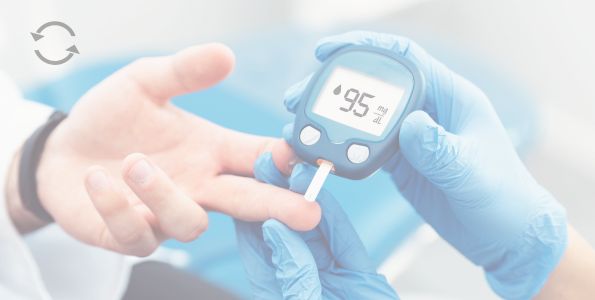
There are a number of indicators that oral drugs might not be enough to keep your blood sugar under control. These include persistently elevated fasting glucose levels over 180 mg/dL, HbA1c values over 9% even while using two or more oral medications, inexplicable weight loss, recurrent infections, or excessive thirst and urination. No amount of oral medicine will be effective if your pancreas is producing very little natural insulin. To ascertain whether insulin is required, Dr. Ashalata assesses your blood sugar levels and C-peptide levels. It is not a sign of weakness to require insulin. Protecting your health and avoiding long-term issues like kidney disease, nerve damage, and eyesight loss is a medical decision. In addition to providing your pancreas with a break, early insulin therapy might occasionally enhance your body's subsequent insulin response.
Types of Insulin
Rapid, Short, Intermediate & Long-Acting

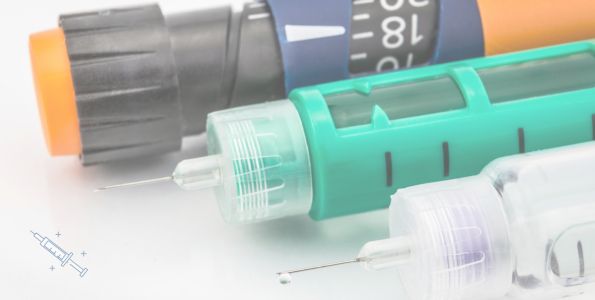
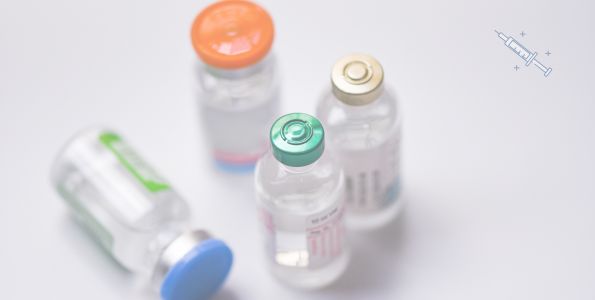
When taken before to meals, rapid-acting medications begin working within ten to fifteen minutes. Thirty minutes is when short-acting begins. Half a day is covered by intermediate-acting, which lasts 12 to 16 hours. Long-acting insulin provides background insulin while working consistently for 20 to 24 hours. For the best control, Dr. Ashalata recommends the appropriate kind or mix based on your lifestyle, eating schedule, and blood sugar trends.

No Shame, No Fear

Dr. Ashalata's Approach to Starting Insulin

A lot of patients are afraid about insulin. They see it as an indication that their disease is getting worse or as a personal failure. This way of thinking is totally rejected by Dr. Ashalata. She clarifies that you are not at fault if you require insulin. Diabetes is a degenerative disease, and sometimes, despite your best efforts, the pancreas just needs assistance. She has a kind, instructive, and encouraging approach. She guides you through every stage, from scheduling and dosage modifications to injection technique and storage. There is no condemnation. Just empathy. She begins with small doses, keeps a careful eye on you, and honors your bravery. Insulin is not a punishment, but a tool. You won't ever feel ashamed or alone while you work with Dr. Ashalata. You'll feel in control.

How to Adjust Insulin Doses Based on Blood Sugar Readings

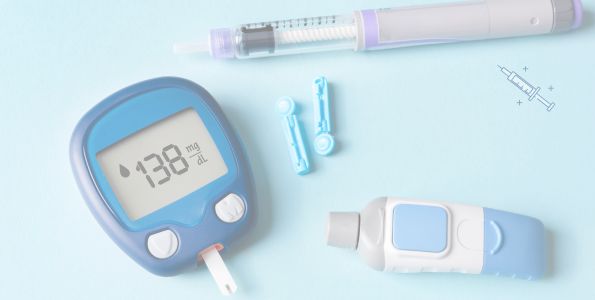
Adjusting insulin is never done at random. Based on your blood sugar patterns, Dr. Ashalata offers you a straightforward method. Long-acting insulin may rise if fasting levels are continuously elevated. The time or dosage of rapid-acting insulin is modified if post-meal spikes take place. Never alter dosages without a doctor’s approval. During follow-ups, Dr. Ashalata examines your records and makes exact, safe modifications.

Insulin Timing – When to Inject for Meals, Bedtime & Corrections

To coincide with food absorption, rapid-acting insulin is taken ten to fifteen minutes prior to meals. For consistent nighttime coverage, long-acting insulin is administered at the same time every day, typically before bed. When blood sugar levels are elevated prior to meals, correction dosages are administered. Based on your daily schedule and blood sugar levels, Dr. Ashalata creates a customized timing program. Never guess when something will happen.


Hypoglycemia Prevention – How to Avoid Dangerous Lows on Insulin

When taking rapid-acting insulin, never miss a meal. Prior to sleeping or driving, check your blood sugar. Always keep fast-acting sugar on hand, such as fruit juice or glucose pills. Prior to exercise, modify dosages. You learn how to spot early warning indicators like perspiration, lightheadedness, or disorientation from Dr. Ashalata. Treatment is not as effective as prevention. Be safe and well-prepared.

Starting from Zero

A 4-Week Progression Plan for Sedentary Patients

Start cautiously if you have not been doing anything. This straightforward strategy is advised by Dr. Ashalata.
Week 1: Take a five-minute walk immediately after lunch. Do this every day. No more. First, establish consistency.
Week 2: After lunch, extend to ten minutes. After supper, take a five-minute stroll. Your body is adjusting.
Week 3: Take a ten-minute walk following lunch and dinner. Every morning, spend five minutes gently stretching.
Week 4: Walk for ten to fifteen minutes following each of the three meals in week four. Include two weekly bouts of basic strength training, such as wall push-ups or sit-to-stands.
Pay attention to your body. Never force yourself to endure suffering. Go at your own speed. Depending on your comfort level and blood sugar reaction, Dr. Ashalata modifies the plan.


Insulin + CGM

How Technology Makes Management Easier

During each follow-up, Dr. Ashalata keeps track of your weight, waist circumference, activity logs, and blood sugar levels. If your CGM data is accessible, she examines it. She modifies medicine dosages, diet schedules, and exercise intensity based on your success. No set plan. Every modification is tailored and based on data. You can avoid plateaus and dissatisfaction by staying on course for reversal thanks to this ongoing feedback loop. As you get better, your plan changes.

Insulin vs. Oral Medications vs. Reversal
Where Does Insulin Fit?

Oral drugs improve the way your body uses insulin. What your pancreas is unable to produce is replaced by insulin. The goal of reversal is to get rid of both. When the pancreas is worn out, insulin fits. It’s not a step back. Some people’s pancreatic function is restored by short-term insulin. Others require long-term insulin. Insulin is used strategically by Dr. Ashalata, who constantly strives for the least amount of medication required.

If Reversal Is Possible

How Dr. Ashalata Helps You Reduce or Stop Insulin

When diet, exercise, and weight loss improve your blood sugar, Dr. Ashalata gradually lowers insulin if reversal is possible. She keeps a careful eye on your blood sugar levels and safely reduces dosages. Never stop taking insulin on your own. Some individuals totally stop taking insulin after making steady progress. Dr. Ashalata helps you use fewer medications and improve your health at every stage.

Take Steps to

Reverse Your Type 2 Diabetes Today

Common questions

Frequently Asked Questions

Get clear answers about insulin initiation, dosage adjustments, hypoglycemia prevention, and Dr. Ashalata’s compassionate approach to insulin therapy.

Insulin encourages the storage of fat, which can lead to some weight gain. In order to maintain a healthy weight, Dr. Ashalata minimizes this by giving the lowest effective dose and combining insulin with individualized diet and exercise regimens.

No. When oral treatments fail to maintain blood sugar levels within the desired range, insulin is administered. It's not the last option. Pancreatic function can be preserved and problems can be avoided with early insulin administration.

Indeed. Dr. Ashalata offers a travel itinerary that includes extra supplies, time zone adjustments, storage instructions, and a doctor's letter for security. Traveling is simple and safe if you are prepared.