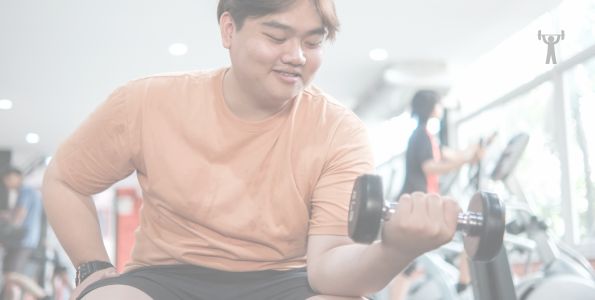
Discover our Lifestyle & Exercise Plans For Obesity – Sustainable Movement, NEAT, And Strength Training With 25+ Years of Expertise.

Dr. Ashalata delivers expert lifestyle and exercise guidance with a compassionate approach. Every movement plan ensures personalized support, prioritizing your sustainable fat loss, metabolic health, and overall well-being.

Calorie Burn, Metabolism & Hormones

How Does Exercise Help with Weight Loss?

Exercise increases metabolism for hours following and burns calories during activity. Additionally, it decreases fat storage and increases insulin sensitivity, which helps your body use glucose more effectively. Frequent exercise helps manage appetite by regulating hunger hormones like leptin and ghrelin. Your fitness regimen is created by Dr. Ashalata to optimize these metabolic advantages for long-term weight loss and improved general health. No strenuous exercise. Just steady, efficient movement.

Why Exercise for Obesity Is Different

Joint safety is the top priority when exercising for obesity. Overweight puts strain on the ankles and knees. Walking, swimming, cycling, and chair workouts are examples of low-impact activities that Dr. Ashalata suggests to protect joints while increasing metabolism and burning calories. Only when it is safe to do so are high-impact exercises gradually introduced. Starting slowly guarantees long-term adherence, reduces the risk of damage, and boosts confidence. Your fitness level determines how your strategy changes. Long-term weight loss and improved health are the results of safe, sustainable, and efficient movement.

Why Careful Exercise Matters in Obesity

Avoiding Injury & Protecting Joints

Overweight puts a lot of strain on joints, particularly the ankles, knees, and hips. Exercise might result in setbacks and injuries if care are not taken. Dr. Ashalata stresses wearing supportive shoes, warming up sufficiently, starting slowly, and selecting low-impact activities. It's crucial to pay attention to your body rather than pushing through discomfort. Long-term weight reduction success and safe, sustainable progress are guaranteed by a cautious, supervised approach.
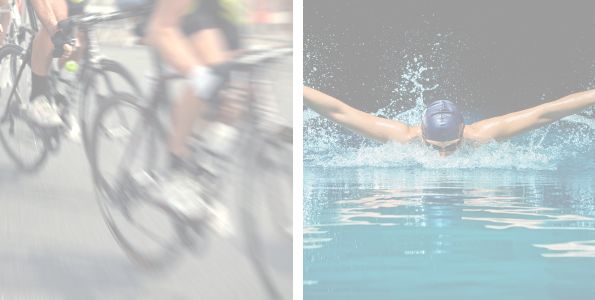
Safe, Effective & Joint-Friendly

Best Low-Impact Exercises for Obesity

The easiest and most efficient way to begin is by walking. Excellent cardiovascular exercises that don't strain the joints are swimming and cycling. For people with restricted mobility, chair workouts safely increase strength. Dr. Ashalata suggests increasing the length gradually, beginning with 10 to 15 minutes every day. These low-impact exercises increase metabolism, burn calories, boost confidence, and safeguard your joints. Intensity is not as important as consistency. For long-term, injury-free weight loss, your customized plan adapts to your level of fitness.

The Hidden Calories You Burn Without Exercising

Non-Exercise Activity Thermogenesis - NEAT

Non-Exercise Activity Thermogenesis is referred to as NEAT. It is the energy you expend as you walk, stand, climb stairs, or perform home duties on a daily basis. Over time, these little actions add up to a substantial amount, increasing metabolism and promoting weight loss without the need for formal exercise. Dr. Ashalata advises using stairs, taking breaks from sitting, and maintaining an active lifestyle throughout the day to increase NEAT. Small adjustments have a significant impact.

The Honest Truth About Weight Loss
Exercise Alone Won't Help Lose Weight You Need Nutrition & Medical Support

Exercise is effective, but it is insufficient on its own. Exercise, individualized nutrition, and medical treatment are the three key pillars that must cooperate for sustainable weight loss. When necessary, Dr. Ashalata incorporates metabolic support, anti-inflammatory nutrition, and customized activity. Every pillar supports the others. Exercise by itself has little effect without a healthy diet and medical supervision. All three must work together for long-term success.

Build Muscle, Burn More Calories at Rest

Strength Training for Obesity

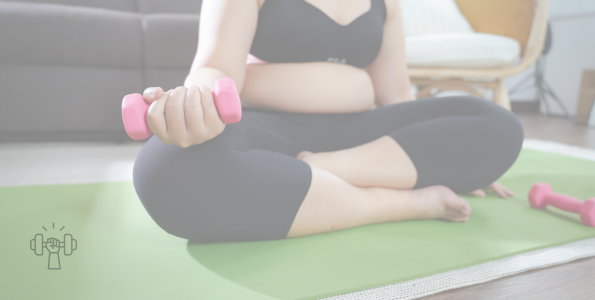
Building muscle through strength exercise raises your resting metabolic rate. Even while you're sleeping or sitting, you burn more calories when you have greater muscle. Dr. Ashalata suggests using resistance bands or performing basic bodyweight workouts like push-ups, lunges, and squats. Start with two to three sessions per week. You don't need a gym. Additionally, muscle increases insulin sensitivity, which facilitates weight loss. Regular strength training improves your body's capacity to burn fat throughout the day, not just during exercise.

Hidden Barriers to Weight Loss

Sleep, Stress & Emotional Eating

Cravings increase when cortisol and hunger hormones are elevated due to sleep deprivation. Emotional eating and belly fat storage are brought on by long-term stress. Even the finest diet and exercise regimens are undermined by these factors. Dr. Ashalata discusses mindful eating practices, stress reduction methods, and sleep hygiene. You can recover control over cravings and promote long-term weight loss by lowering stress and increasing the quality of your sleep. Just as important as your diet are your lifestyle choices.

Monitoring & Adjusting Your Activity Plan

How Dr. Ashalata Monitors Your Progress

Your weight, waist circumference, degree of fitness, and blood indicators like insulin and cholesterol are all monitored by Dr. Ashalata. She talks about difficulties and looks at your activity logs. She modifies the type, duration, or intensity of your workouts based on your development. No set plan. Every modification is tailored and based on data. This ongoing feedback loop keeps you motivated, guarantees consistent progress, and avoids plateaus. As you get more fit, your exercise regimen changes to ensure long-term, sustainable weight loss.

Book Your Lifestyle Assessment

Ready to Start Your Weight Loss Journey?

Common questions

Frequently Asked Questions

Get clear answers about sustainable movement, low-impact exercises, strength training, NEAT, and Dr. Ashalata’s evidence-based approach to lifestyle and exercise for obesity.

No. Daily movement, bodyweight workouts, and walking are all beneficial. Depending on your comfort level and degree of fitness, Dr. Ashalata creates regimens with little to no equipment.

No. Exercise, diet, and medical assistance must all work together to achieve sustainable weight loss. Exercise is insufficient on its own. For long-lasting effects, Dr. Ashalata incorporates all three.

Low-impact activities like chair workouts, swimming, cycling, or quick walks are suggested by Dr. Ashalata. Your approach builds strength, burns calories safely, and safeguards your joints.