
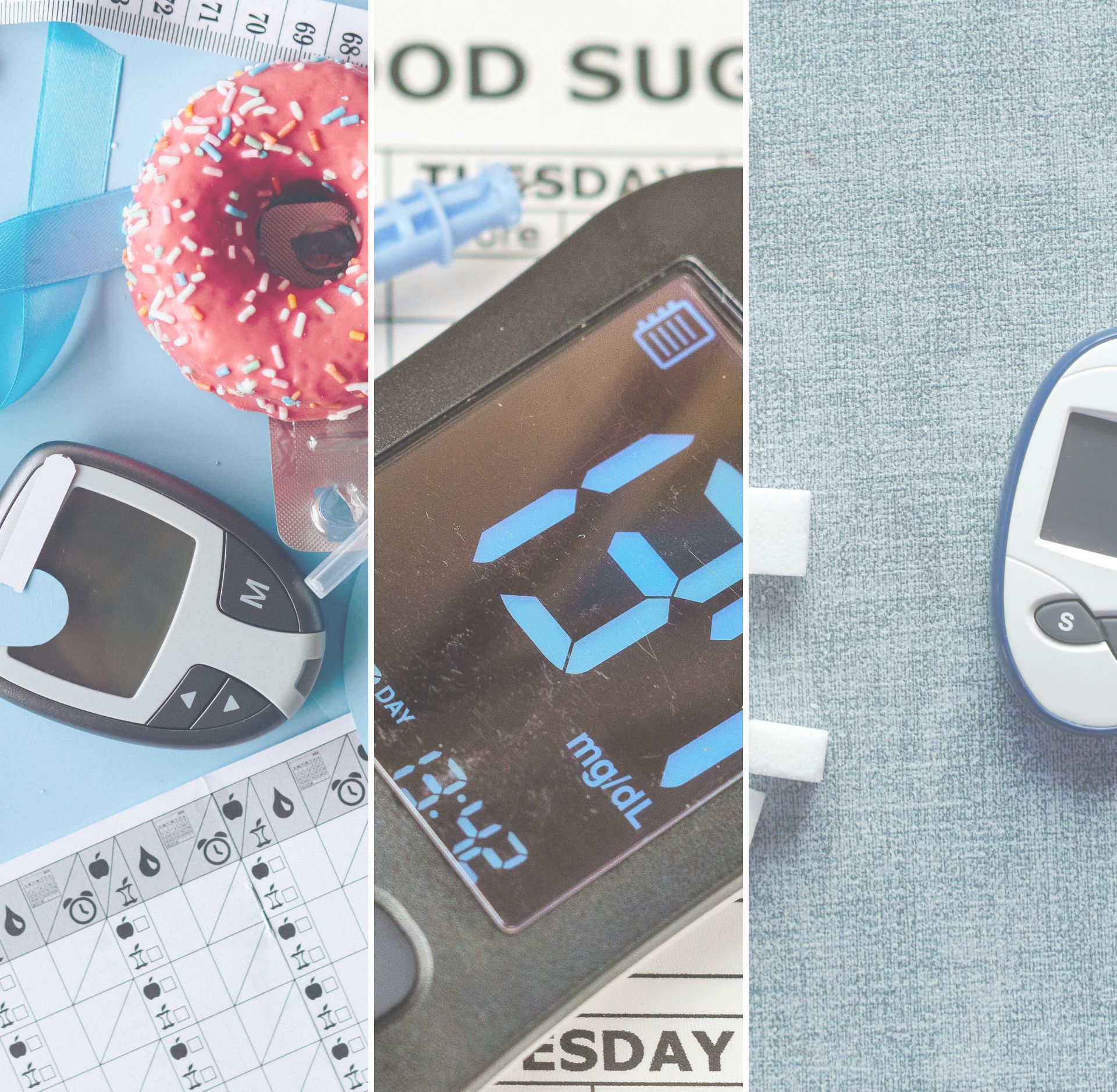
One HbA1c reading is considered the final report card in the field of diabetes management and care. It is a snapshot of your blood sugar average for the previous two to three months. But depending only on this one moment in time can be deceptive. A current HbA1c level does not provide a whole picture of your metabolic health. It is something like assuming a photograph to represent the whole narrative of a person’s life.
In reality, your blood sugar control history with its long-term trajectory of highs and lows is more significant than your current HbA1c reading. This idea is based on modern research and the history of medical experiences. These two factors show that a knowledge of a patient’s glycemic history is needed to avoid issues. It also helps in attaining long-lasting health.
The History of Diabetes Care - The Context
From Urine Testing to HbA1c
We need to look back in time to understand the history of diabetes treatment. Before the discovery of insulin in 1921, starvation diets were the only treatment option for diabetes. Insulin’s miracle transformed everything. Still monitoring remained extremely old-fashioned for decades. Patients managed their blood sugar levels in the 1950s by adding a reagent tablet to a urine test tube and matching the color of the result to a chart. This approach gave a retroactive view of blood sugar levels and was not accurate.
It wasn’t until the 1970s and 1980s that the glycated hemoglobin (HbA1c) test was developed. It revolutionized diabetes care. For the first time, doctors had a tool that provided a 2-3 month average of blood sugar levels . However, this created a new problem called the “snapshot” fallacy.
Why One Snapshot Isn't Enough
The journey with diabetes and effective diabetes management is not represented by a single HbA1c reading. The report reading is just a number. Between 1947 and 1973, Belgian physician Jean Pirart’s groundbreaking research demonstrated a direct connection between long-term average control and the avoidance of problems. Many studies corroborated this. These trials demonstrated that chronic problems can be avoided or postponed by keeping blood glucose levels near normal for several years.
It also needs to be kept in mind that data from laboratories are not precise science. Because of biological and analytical variability it is possible that a single HbA1c test result of 6.3% could really range from 5.5% to 7.1%. This means that it can be dangerous to base the diabetes treatment on a single figure.
The Case for Glycemic History
The Power of Your Glycemic History
A study was published in the “World Journal of Diabetes”. In this study, patients with poorly managed diabetes were grouped according to their “glycemic background.” The outcomes were surprising.
- After a year, 65% of newly diagnosed patients had reached their target HbA1c levels.
- 39% of patients with a history of good control met their goals.
- Just 10% of patients with persistently poor control met their goals. Their average ultimate HbA1c was 9.7%.
This shows how a patient’s past has a direct bearing on their ability to become better. A freshly diagnosed person faces a completely different medical and psychological challenge than someone who has battled high blood sugar for years. The inability to step up the diabetic treatment when necessary stems from this background only.

The Risk of HbA1c Variability
Regardless of your average HbA1c, the fluctuations in your blood sugar over time are a significant risk factor for problems. Even if a patient’s average HbA1c is assumed to be good, research shows that they can experience negative consequences if their HbA1c levels are fluctuating more. That is why a history of crashes and spikes is more informative than a consistent and average figure.
Consequences for Diabetes Treatment in Chennai
This knowledge on HbA1c brings about a total shift in diabetes care for patients.
- Personalized Medicine: A complete understanding of each patient’s individual HbA1c data history is needed to give a reasonable diabetic management. A customized strategy that takes your glycemic history into consideration produces better results than a generic one.
- Targeted Treatments: Patients with a lengthy history of poor control need far more intense, multifaceted treatments. This includes lifestyle modifications and medication optimization.
- Empowerment by Knowledge: Knowing your own past is empowering. It does not instill any kind of fear. Instead of merely chasing a test result, it enables you and your doctor to develop a more practical and successful approach based on your unique challenges.
Your HbA1c reading is an important tool but it needs to be understood that it is only one part of a much bigger picture. The true tale that dictates your health consequences is the history of your blood sugar control. This includes the highs, lows and fluctuation of your blood sugar level. This whole tale must be the focus of effective diabetes management, whether in Chennai or elsewhere. We can create a more transparent and secure future for your health by taking stock of where you have been.
