The practice of the therapeutic health behavior of monitoring blood sugar is the cornerstone of managing type 2 diabetes. Therapeutic health behavior can be learned and subsequently successfully implemented. In the context of type 2 diabetes, it is of paramount importance to monitor blood sugar levels to gather the relevant information to guide one’s therapeutic health behavior. Blood sugar monitoring can facilitate the identification of trends that may require professional intervention. For individuals with type 2 diabetes, it is critical to acquire the knowledge and skills to measure and record blood sugar levels.
1. Understand Your Monitoring Goals and Targets
Before you begin a test, make sure that you know your objective. Your doctor will help you to create a list of targets based on your age, level of health, and approach to treatment. For instance, people with type 2 diabetes who are not pregnant and do not have additional health problems should maintain an A1C level below 7 percent, compared to 6 percent for healthy individuals. This is equivalent to 80-130 mg/dL of blood glucose before eating and fewer than 180 mg/dL after meals.
Such indicators are called targets. They are based on extensive research and statistical data concerning the risks of high blood sugar. However, they should be individualized depending on the health status and other factors. For example, older people who have multiple health problems should have less strict indicators than those who are middle-aged and recently diagnosed.
2. Choose the Right Monitoring Method for Your Needs
The methods for monitoring glucose levels are now more diverse than ever. There are many options, each with its own set of benefits.
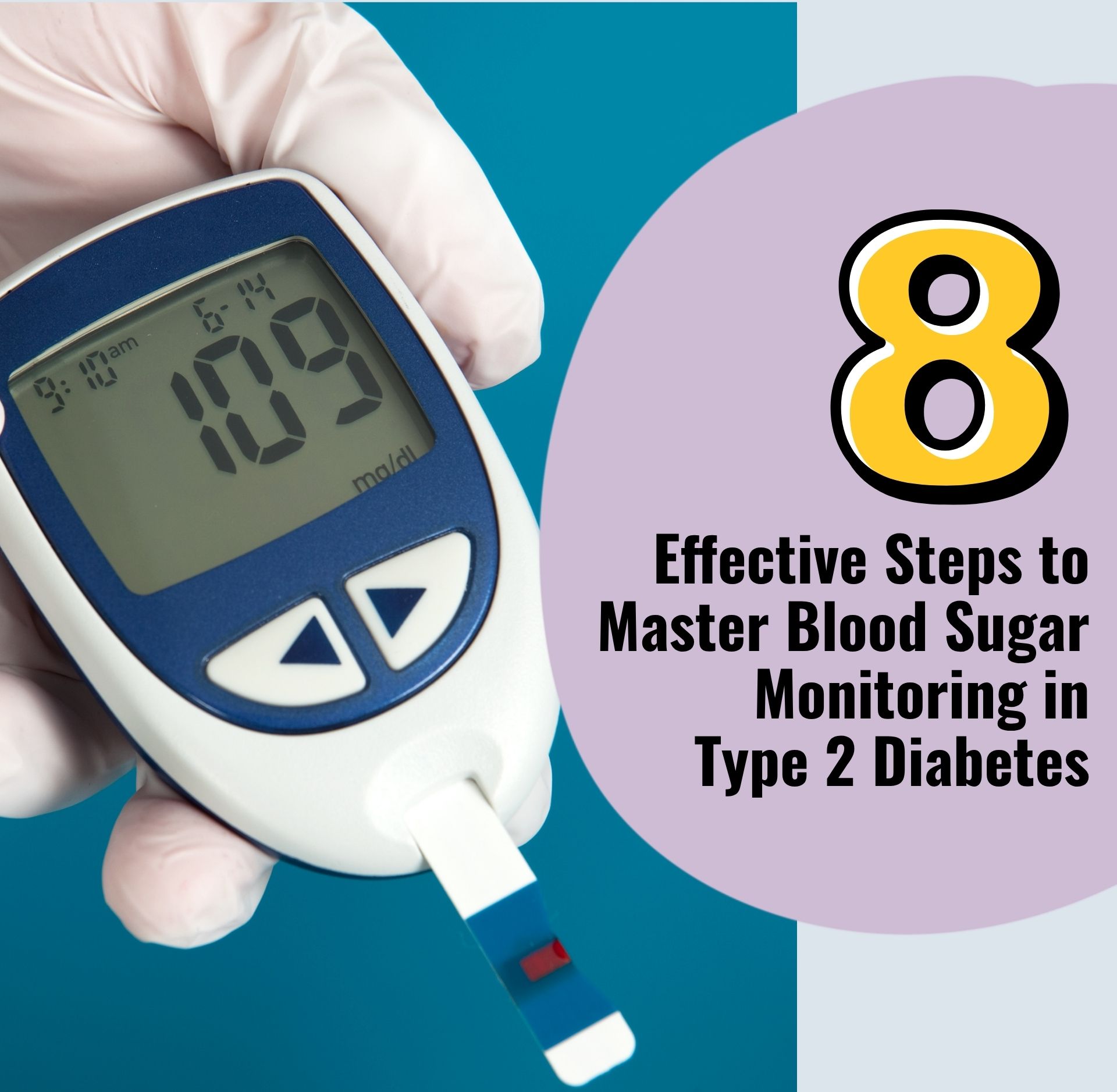
- Traditional Blood Glucose Monitoring (BGM): This method involves using a lancet to prick your finger and then using drops of blood on a testing strip that is read by a meter. It is an accurate way to check your levels at a specific point in time. It is also inexpensive and widely available.
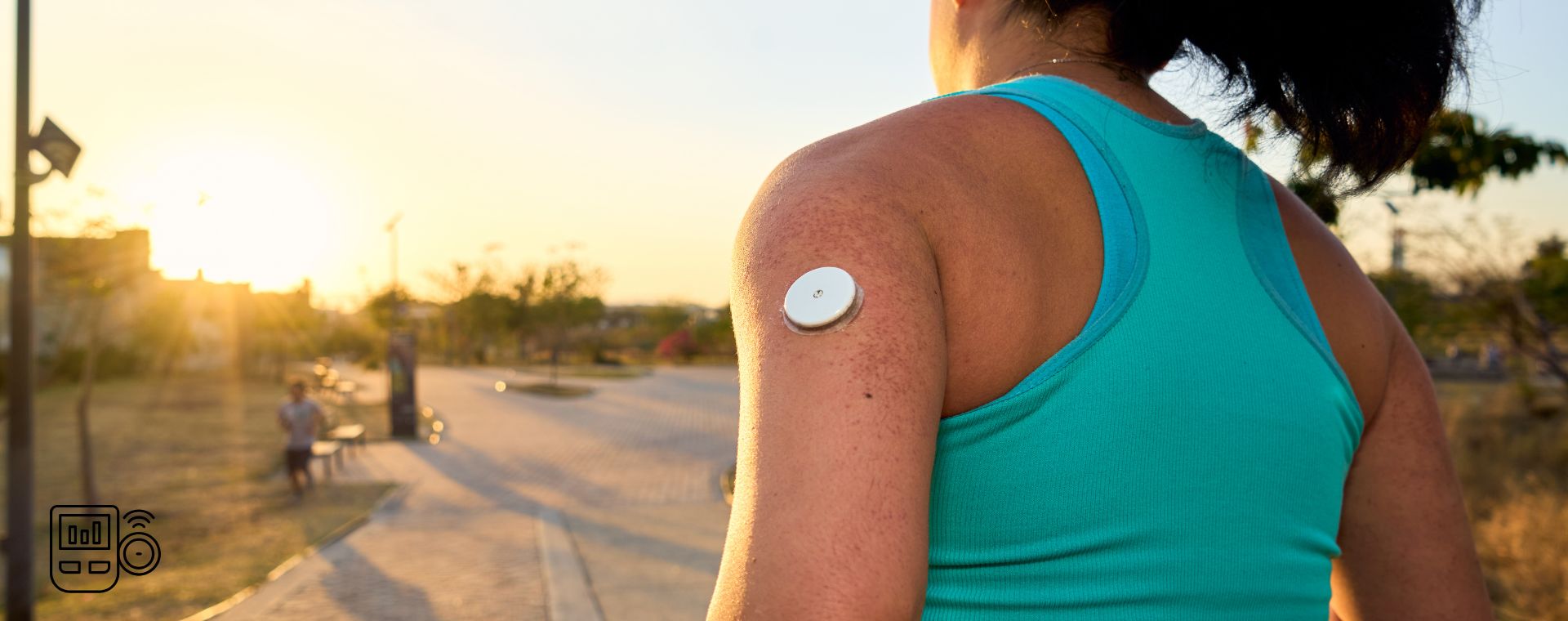
- Continuous Glucose Monitoring (CGM): This method uses a sensor that is placed under the skin to monitor and track levels of glucose in the interstitial fluid found just below the surface of the skin. It can alert you to sudden increases or decreases in your glucose levels and can be used to help determine how your glucose levels react to certain foods. It is more useful for patients on insulin or who experience hypoglycemia.
For patients with type 2 diabetes who aren’t on insulin the choice between the two methods will depend on their individual preferences and circumstances. The American Diabetes Association recommends the use of Continuous Glucose Monitors by patients on insulin or who are on medications that can cause hypoglycemia.
3. Establish a Testing Schedule That Fits Your Life
The frequency of tests depends on the individual care plan and glucose control. Those who require insulin tend to measure their glucose more frequently than those who control blood sugar with tablets or diet changes.
- Before meals: this procedure helps estimate the morning glucose level and does not interfere with insulin dose.
- Two hours after meals: this test indicates how well the body is able to process glucose.
- Before bed: this measurement prevents hypoglycemia during sleep.
- When sick: illness, stress, and physical activity affect glucose levels and should be monitored.
Moreover, individuals with well-controlled type 2 diabetes that do not require insulin injections could test their glucose 3 or 4 times a week, preferably at different times.
4. Perform Fingerstick Tests Correctly
Accuracy is essential. The wrong result may lead to improper food or medicine use.
- Wear disposable gloves when cleaning your hands to avoid spreading germs. Wash hands with warm, soapy water, and dry them completely. Do not use food or lotion because it can affect the test results.
- Insert a new lancet into the lancing device.
- Testing a finger on the side, and not on the tip, causes less discomfort.
- Place a drop of blood on the test strip, and wait until the meter shows a result, then record the result and additional information.
- You should record the data immediately after receiving it and include the date, time, and any additional information.
5. Maximize the Benefits of Continuous Glucose Monitoring
If you’re using a continuous glucose monitor (CGM), there are a few things you should do to get the most out of it. You should insert the sensor into your abdomen or upper arm and make sure to clean and dry it thoroughly before inserting it. You can also use test strips to confirm that your CGM is accurate, especially during the first few days after implanting it or if you begin to feel that your glucose levels aren’t what they should be.
Your time in range (TIR), or the amount of time that your blood sugar is within your target range, is calculated by your CGM and can tell you more about your glucose trends than just your A1C. Most people aim to keep their blood sugar between 70 and 180 mg/dL for at least 70 percent of the day.
6. Keep a Detailed Log and Look for Patterns
Recording your readings isn’t a chore, it’s a way to make sense of the data and turn it into something useful. With a log you and your health care provider can spot patterns like higher than normal readings in the morning or after eating certain foods or drops in blood sugar after physical activity
Most meters and CGMs save the data they collect and will often show averages for certain times of the day. It’s a good idea to review the information before appointments so that you can quickly and efficiently talk over the most important details with your provider.
7. Use Your Data to Make Informed Decisions
Monitoring is only useful from an actionability perspective. So when you see that you are consistently having high fasting glucose, you talk to your doctor about adjusting medications. When you see that after certain meals you are spiking, you may start adjusting your portions of what you are eating. When you see that you are getting a low reading, you treat it and maybe you should think about why it happened.
Studies have shown that remote monitoring and self-monitoring lead to improvement in A1C. A study done on patients recently diagnosed with type 2 diabetes showed that those who used remote monitoring were 23 percent more likely to reach their A1C goal. And another study showed that even minimal self-monitoring led to improvement in A1C in elderly patients.
8. Review Your Technique and Targets Regularly
Your monitoring needs will change as your disease progresses or as your therapy changes. You should review your technique at least once a year with your healthcare provider and make sure your meter is calibrated correctly and that your test strips are not expired. If you have a CGM, make sure you are proficient with placing the sensors and that you know how to interpret the data correctly.
Blood sugar monitoring is one of those skills that will benefit you now and in the future. By learning about your targets and methods, testing frequently, and using your results to inform your choices, you are likely to get far more in life than simply numbers from your meter. The information from your glucometer can help you take control of your health. You shouldn’t think of your meter as a judge, but rather as a guide to get you where you want to go.