
Discover our Diabetes Reversal & Remission Program – Natural Blood Sugar Control Delivered with Care, and 25+ Years of Expertise.
A Clear Explanation
What Does Diabetes Reversal Mean?
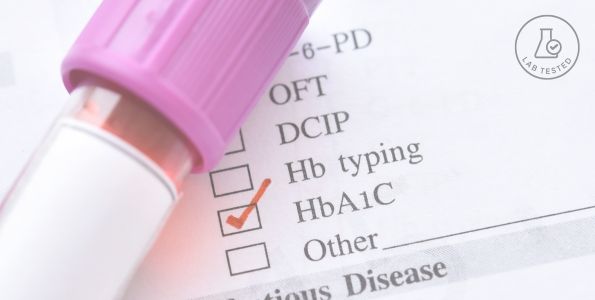
Reversing diabetes entails reaching normal blood sugar levels without using any diabetes drugs. When your HbA1c stays below 6.5% and your fasting glucose stays below 126 mg/dL after at least three to six months without medication, it is considered a medical reversal. Diabetes is not “cured” indefinitely. Continued lifestyle management is necessary for reversal. Dr. Ashalata assists qualified patients in achieving and maintaining this life-changing objective.
Reversal vs. Remission vs. Cure
Reversal is a short-term accomplishment that results in normal blood sugar levels without the need for medication. Remission is a long-term, drug-free reversal that lasts three to twelve months or more. Even with a bad lifestyle, a cure would guarantee that diabetes would never return. Diabetes currently has no known cure. Remission and reversal, however, are genuine, attainable objectives. Dr. Ashalata assists patients in achieving remission rather than merely momentary alleviation.
Who Is a Candidate for Diabetes Reversal?
Not everyone with Type 2 diabetes is eligible for reversal. The best candidates are those diagnosed within the last 6 years, with a BMI above 25, and still producing some natural insulin. Patients who have not yet required insulin or are on low doses tend to respond well. Age, commitment to lifestyle changes, and absence of advanced complications also matter. Dr. Ashalata performs a detailed assessment, including fasting insulin and C-peptide tests, to determine if reversal is right for you.
Who Is NOT a Candidate for Reversal?
Patients with Type 1 diabetes are unable to reverse their condition. This is because their bodies produce little to no insulin. This is not an issue with insulin resistance. But it may be due to an autoimmune disorder. Reversal may not be appropriate for those with Type 2 diabetes who have had the condition for more than 10-15 years. This is true if the patients have considerable beta-cell dysfunction or advanced comorbidities including severe renal or heart disease. Furthermore, people who are unable or unwilling to make long-term lifestyle modifications might not see the intended results. Dr. Ashalata offers frank, personalized advice.
The Two Way Approach to Diabetes Reversal
The Roles Of Diet and Lifestyle

The most effective method for reversing diabetes is diet. Based on your dietary preferences and medical requirements, Dr. Ashalata offers individualized Medical Nutrition Therapy. No general guidance. There are no sample meal plans. Your diet plan is specific to you.

For 24 to 48 hours, exercise increases insulin sensitivity. Dr. Ashalata gives you advice on daily activity, strength training, and walking after meals. The reversal process is completed with lifestyle modifications related to stress reduction and sleep.
How It Works
Can You Stop Insulin or Metformin After Reversal?
Yes, achieving normal blood sugar levels without the need for medication is the main objective of reversal. But quitting metformin or insulin is never abrupt. Dr. Ashalata uses a methodical, meticulous approach. She gradually lowers your prescription dosages while continuously monitoring your glucose levels as your blood sugar improves with diet, exercise, and weight loss. She might quit taking one medicine at a time if your statistics stay steady. To prevent hazardous lows, the lowering of insulin is even more cautious. It usually takes from weeks to months to completely stop using medicine. Never stop taking a diabetes medication on your own. Every stage of this trip is safely guided by Dr. Ashalata.
How Low Can HbA1c Go?
How Much Weight Loss Can Occur?
Evidence Based Approach

How Is This
Different from a Standard Diabetes Management Plan
The goal of a typical diabetic treatment plan is to utilize drugs to regulate blood sugar while maintaining a mostly unaltered lifestyle. Physicians recommend “eat less and move more” without providing precise instructions, prescribe medications, and set HbA1c targets. The reversal therapy offered by Dr. Ashalata is essentially different. It addresses insulin resistance, the underlying cause of high blood sugar, rather than just its symptoms. Over time, medications are either eliminated or lowered rather than increased. Exercise and diet are recommended as medical treatments, not as general recommendations. Remission, not merely maintenance, is the aim. This is not passive management; rather, it is active reversal.
How Weight Management and Blood Sugar Management Go Hand in Hand
Blood sugar control and weight control are intertwined. Insulin resistance is fueled by excess body fat, particularly around the belly. Your cells may absorb glucose more efficiently when you lose weight because your insulin sensitivity increases. Blood sugar is immediately lowered as a result. On the other hand, steady blood sugar lessens cravings and hunger attacks, which facilitates weight loss. Dr. Ashalata speaks to both at the same time. Her individualized diet and exercise regimens produce a positive feedback loop whereby losing weight lowers blood sugar, which in turn promotes sustained weight loss. Without treating weight, you cannot truly reverse diabetes, and blood sugar stability is necessary for long-term weight loss.
Common questions
Frequently Asked Questions
Get clear answers about diabetes reversal, remission, natural blood sugar control, and Dr. Ashalata’s evidence-based program.
How Long Does Diabetes Reversal Take?
Most patients see significant improvement within 3 to 6 months. Full reversal may take 6 to 12 months depending on individual factors like weight, duration of diabetes, and adherence.
Will My Diabetes Come Back After Reversal?
Reversal necessitates continuous lifestyle upkeep. Your blood sugar may increase again if you resume your previous behaviors. Dr. Ashalata helps you maintain remission over time.
Is Reversal Possible If I Have Been Diabetic For Over 10 Years?
Diabetes that has been present for a long time is more difficult to cure. The amount of insulin produced is what determines success. Before proposing the program, Dr. Ashalata evaluates your eligibility using blood tests.