
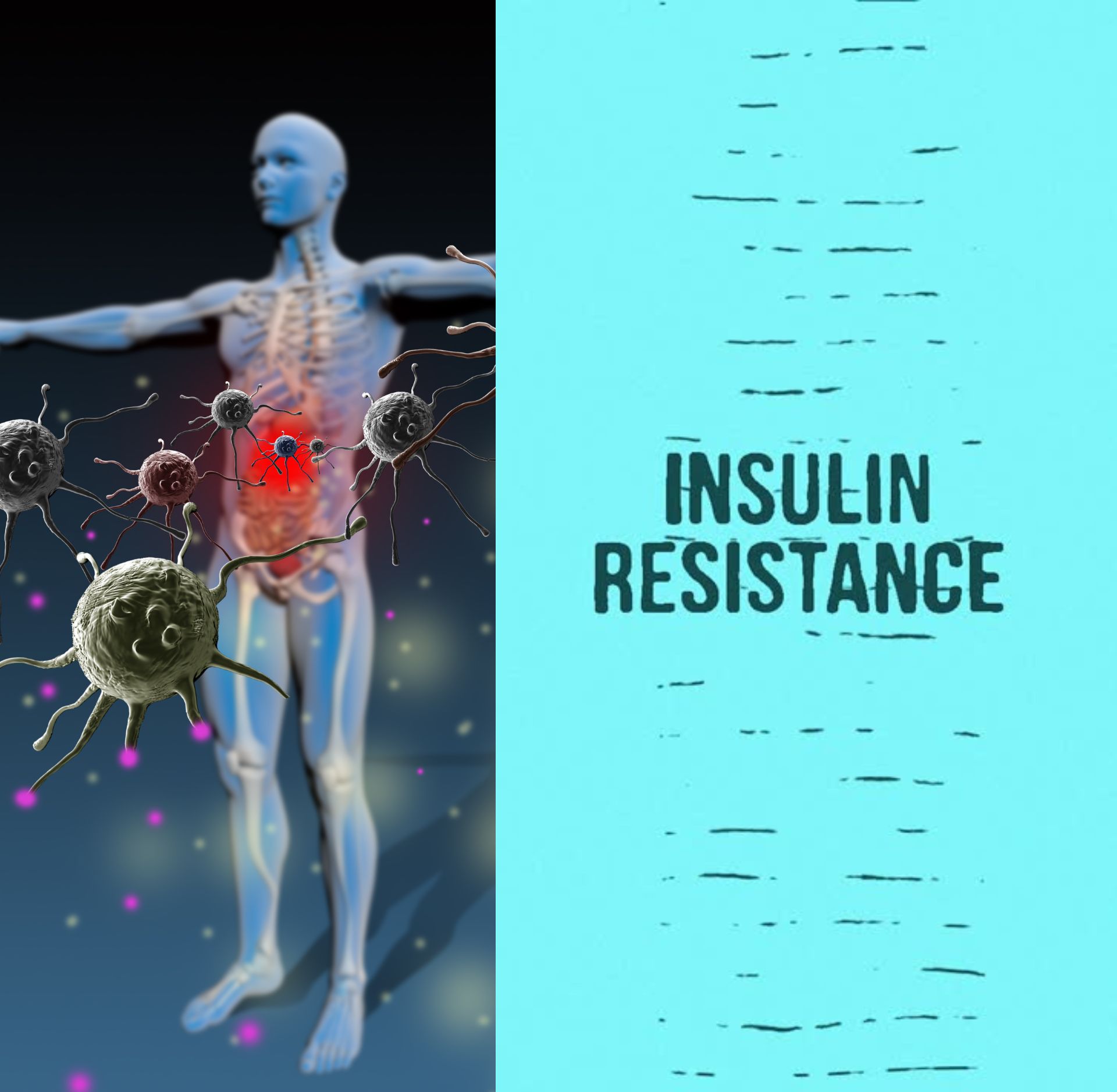
When we hear the term “insulin resistance,” only diabetes comes to our mind. It is also risky to reduce insulin resistance to only a diabetes story. Even though type 2 diabetes is the main cause of Insulin Resistance. Heart disease, some types of cancer, Alzheimer’s disease, polycystic ovarian syndrome (PCOS) and even non-alcoholic fatty liver disease (NAFLD / MASLD) are among the most commonly occurring chronic illnesses that are silently caused by insulin resistance.
Almost one in three persons in the world suffer from this metabolic disorder. The worst part is it goes unnoticed for years or even decades before any obvious symptoms appear. It is one of the most commonly reported chronic illnesses and despite this fact, it remains underdiagnosed and undertreated. The biggest change in our approach to long-term health is realizing that insulin resistance is a systemic concern and not merely a diabetes issue.
Understanding the Mechanism: How Insulin Resistance Works
We must first define insulin resistance in order to understand why it goes much beyond diabetes. Your pancreas secretes the hormone insulin. This functions as a key to open cells so that glucose (sugar) from your bloodstream can enter and be used as fuel. This procedure functions flawlessly in a healthy person. On the other hand, insulin resistance causes the cells to lose their sensitivity to the signal from insulin. The lock is no longer compatible with the key.
- As a response, the pancreas releases more insulin to push glucose into cells.
- Hyperinsulinemia is a condition where persistently elevated blood insulin levels result because of this over a period of time.
- Prediabetes or type 2 diabetes develops over a period of time when the pancreas is unable to keep up with the rising blood sugar levels.
The important point is that insulin levels are already high before blood sugar rises in the first place. This indicates that a person is having a perfectly normal fasting blood glucose and a normal HbA1c and is experiencing the harmful impacts of insulin resistance due to the elevated levels of insulin. It is a silent illness that leaves traces in almost all of the major organ systems.
The Link to Cardiovascular Disease
Insulin resistance is a cardiovascular problem and a metabolic problem too. Elevated insulin levels cause oxidative stress and inflammation. This can directly harm the blood vessels in most organs. This causes atherosclerosis, a condition where arteries stiffen and narrow. Another condition called dyslipidemia also develops. It manifests into a lipid profile that is harmful for the health. This harmful condition is marked by high triglycerides, low HDL (good cholesterol) and small, dense LDL particles. These LDL particles may be prone to triggering plaque development. All these conditions result due to prolonged cases of insulin resistance.
How Insulin Damages the Heart
- It increases sodium retention and this can lead to hypertension.
- It stimulates the sympathetic nervous system. This can raise heart rate and blood pressure.
- It promotes the growth of smooth muscle cells in artery walls. This can accelerate blockages.
Regardless of whether patients have diabetes or not, many studies have consistently pointed to the fact that people with insulin resistance have an increased risk of heart attacks and strokes. In fact, insulin resistance is now regarded by many cardiologists as a more reliable indicator of heart disease than LDL cholesterol alone.
The Cancer Connection
The connection between insulin resistance and cancer is definitely one of the most shocking findings in modern medical science. Insulin is a growth hormone. It promotes cellular growth when levels are consistently high. Insulin and a similar hormone known as IGF-1 (insulin-like growth factor) promote cell division and prevent apoptosis. Apoptosis is a process that can lead to cancer when it is dysregulated.
According to epidemiological research, Insulin resistance has been strongly linked to cancer types like breast cancer, colon cancer, pancreatic cancer, cancer in the liver and endometrial cancer. Obesity and metabolic syndrome are acknowledged as significant risk factors for cancer. It is worth mentioning that both factors are strongly associated with insulin resistance. Although insulin resistance may not directly cause cancer, it has been found to foster an environment that is conducive to the growth and rapid multiplication of cancer cells.
The Brain and Alzheimer's Disease
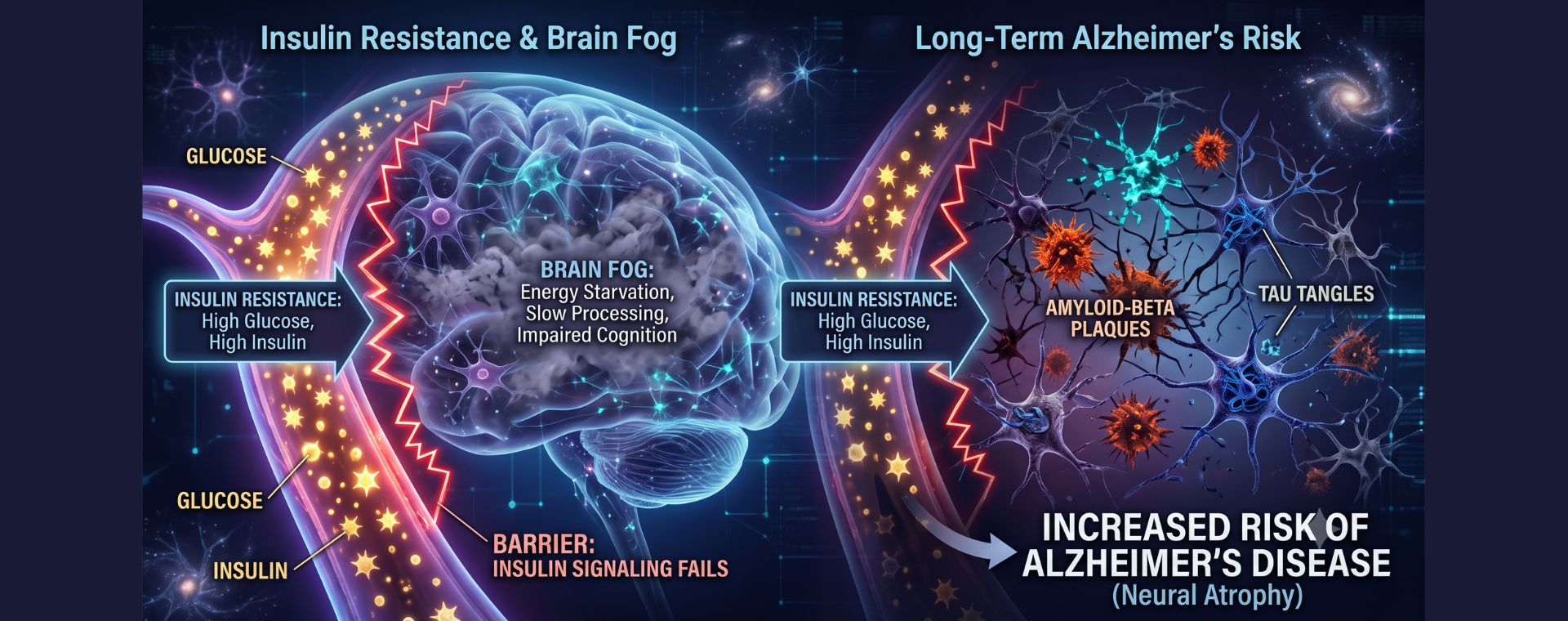
There is a deep connection between insulin resistance and the brain. Therefore some experts have started calling Alzheimer’s disease “Type 3 diabetes.” Insulin is essential for healthy cognitive function because the brain needs glucose for energy. Brain cells find it difficult to efficiently use glucose when they develop insulin resistance. Energy deficits, decreased synapse function and the buildup of tau tangles and amyloid plaques results due to Insulin Resistance. These symptoms are some of the pathological hallmarks of Alzheimer’s disease.
Key Points on Brain Health
- Chronic hyperinsulinemia reduces insulin transport across the blood-brain barrier.
- It promotes neuroinflammation and oxidative damage.
- It impairs the clearance of amyloid-beta. This allows it to accumulate.
According to researchers, midlife insulin resistance dramatically raises the risk of dementia decades later. Therefore, treating insulin resistance in your 40s or 50s may be an effective way to safeguard your brain into your 70s and beyond.
Fatty Liver and Other Systemic Effects
Insulin resistance is the main cause of Non-Alcoholic Fatty Liver Disease (NAFLD). This condition is quickly rising to become the most prevalent liver disease globally. Elevated insulin levels encourage liver cells to store fat. This results in cirrhosis, fibrosis and inflammation. In a similar vein, insulin resistance causes hormonal imbalances and interferes with ovulation in women with PCOS. It also contributes to gout and chronic renal disease.
Addressing the Root Cause of Insulin Resistance
Fortunately, insulin resistance is treatable and can be reversed. Restoring insulin sensitivity is very successful with lifestyle changes. This is true when a low-glycemic diet is followed along with regular exercise, restful sleep and stress reduction. Metformin and other medications are also beneficial. But it needs to be borne in mind that the medications function best when paired with lifestyle modifications.
There is much more to insulin resistance than just diabetes. It is a systemic pandemic that silently causes chronic illness in several organ systems. Instead of treating it with medication after we get it, it is proactive to prevent it. This can be done by identifying it as a primary cause rather than a precursor. Acting immediately will prevent blood sugar from rising, arteries from hardening, and cognitive impairment from starting. Recognizing Insulin Resistance and treating this silent condition is now very much needed to protect your long-term health.
